
30 Results for "robert neff"
DO
Learn
Pyongyang, Stone Battles, and the Lunar New Year...
Original words by Robert Neff A hundred years ago, many Koreans spent their New Year appeasing evil spirits and throwing stones at each other. In the early 1890s, Pyongyang was described as one of the vilest cities in Korea, filled with violent-tempered residents who opposed Westerners, especially Christians, in their city. It was also…

DO
Learn
History: Allen Horace ‘Boys Will Be Boys’...
Original words by Robert Neff In this humorous anecdote from the turn of the 20th century, an American diplomat and a mob of Korean children strike up an unexpected friendship based on practical jokes. Horace N. Allen, the American minister to Korea from 1897-1905, found that his fondness for bicycle riding drew the attention of Korean children…

DO
Learn
History: The Ruthless Postal Service of Old Korea...
Photos from the collection of Robert Neff Prior to the marvels of the computer and its email service or the smartphone and its Kakao program, snail mail was the only economical way that foreigners in Korea could keep in touch with their families back home: postal service. Snail mail, as the name implies, was slow…

DO
Learn
The American Empress...
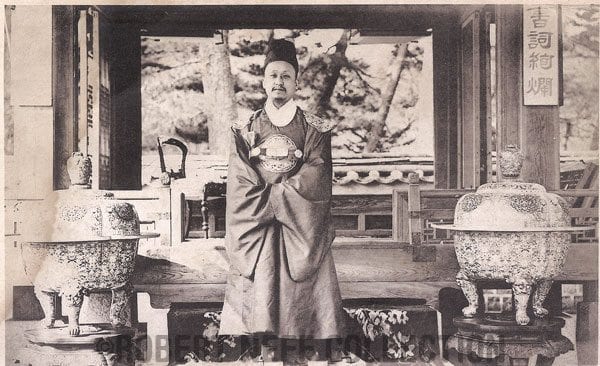
Korean History: The American Empress Photos from the Robert Neff Collection It was once a widespread belief that Korea was an ethnically homogeneous country but that belief has pretty much been dispelled, not so much from the large numbers of immigrants arriving each year in Korea but from the discovery of its past. One of…
DO
Learn
History: Korea’s Noble Cow...
Photos from the collection of Robert Neff One of the most valued animals in Joseon Korea was the Korean bull, which was used for transportation, food and leather. Westerners described these bulls as “noble” and “splendid beasts” that were not only “remarkably handsome” but very “tractable.”, thus the name of Korea's noble cow. Although the…

DO
Learn
History: When Tigers Roamed the Korean Mines...
Life at the Western gold mines in northern Korea was dangerous both inside and out in the 19th and early 20th centuries. These Korean mines were generally located in sparsely populated mountainous regions and were the favored haunts of Korea’s big cats – Siberian tigers and leopards. Tiger and, to a lesser degree, leopard attacks…

HOW
Tradition
Travelling During Chuseok In Korea 100 Years Ago...
Ever imagined what travelling during Chuseok in Korea 100 Years ago was like? During Chuseok, travel in modern Korea is an unbelievable nightmare of traffic jams and irate drivers. But what was it like over a hundred and ten years ago? Travel during the late Chosun period was confined to The Korean riding/pack ponies were…
HOW
Tradition
Why is the age in Korea different?...
Why is the age in Korea different? One of the first cultural differences foreigners are faced with when they arrive in Korea is the fixation on age. Whilst in the West, age is an uncomfortable topic of conversation best avoided on first meetings, in Korea it is perfectly fine, and is in fact necessary…

HOW
Tradition
Is Violence Necessary to the Korean Education System?...
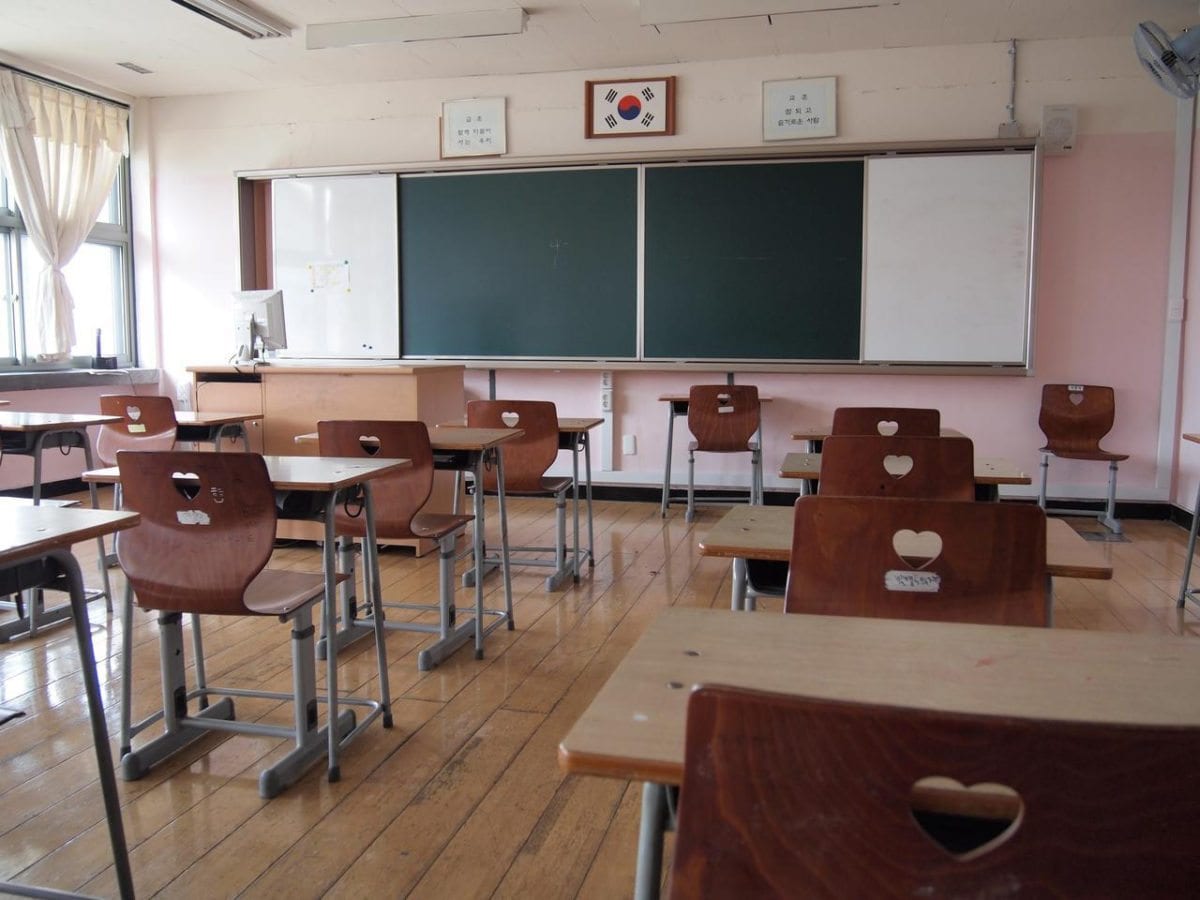
Between the increasing regulations on hagwons and cuts in the number of middle and high school native English teachers, the last few years have seen significant changes in Korean education policy. The most controversial of these shifting policies, however, may have nothing to do with curriculum. The ongoing debate concerning whether or not to ban…
DO
Learn
Korea the “Land of the Morning Calm”?...
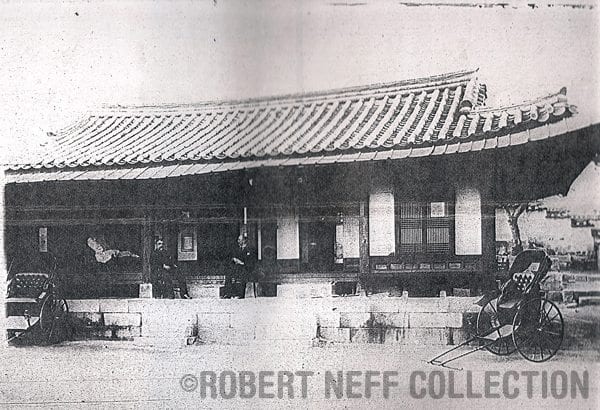
In 1885, Percival Lowell published a book entitled “Choson: The Land of the Morning Calm.” It was a huge success and helped coin the phrase that is still often used to describe Korea. But when the first Westerners arrived in Seoul in the early 1880s, it was anything but calm. It was a realm devastated…
Load more