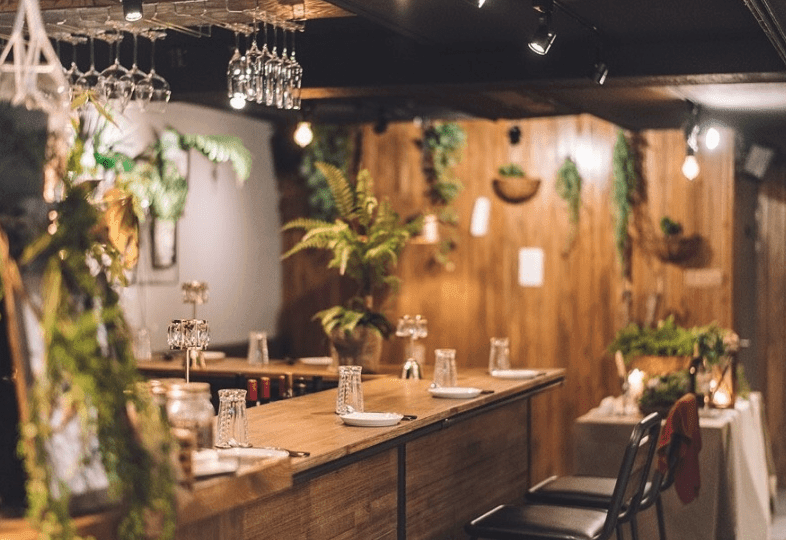
Why Mangwon, Why Now?
There’s a moment on Mangwon’s main street when the noise of Hongdae finally falls away.
Neon gives way to fruit stands, bread ovens, and the smell of frying chicken drifting out of Mangwon Market.
Mangwon-dong is the neighbourhood Seoulites recommend when you say you’re tired of polished tourist routes but not quite ready to wander blindly into back alleys. It’s compact, flat, easy to navigate, and full of small businesses that still feel like someone’s personal project rather than a brand rollout like Seongsu.
This guide is built for people who actually plan to spend a few hours here: we’ll walk you through how to get to Mangwon, what to eat at Mangwon Market, and the cafes, restaurants, and bars locals quietly keep to themselves, plus how to end your day down by the Han River.
How to Get to Mangwon-dong & Mangwon Market
By Subway
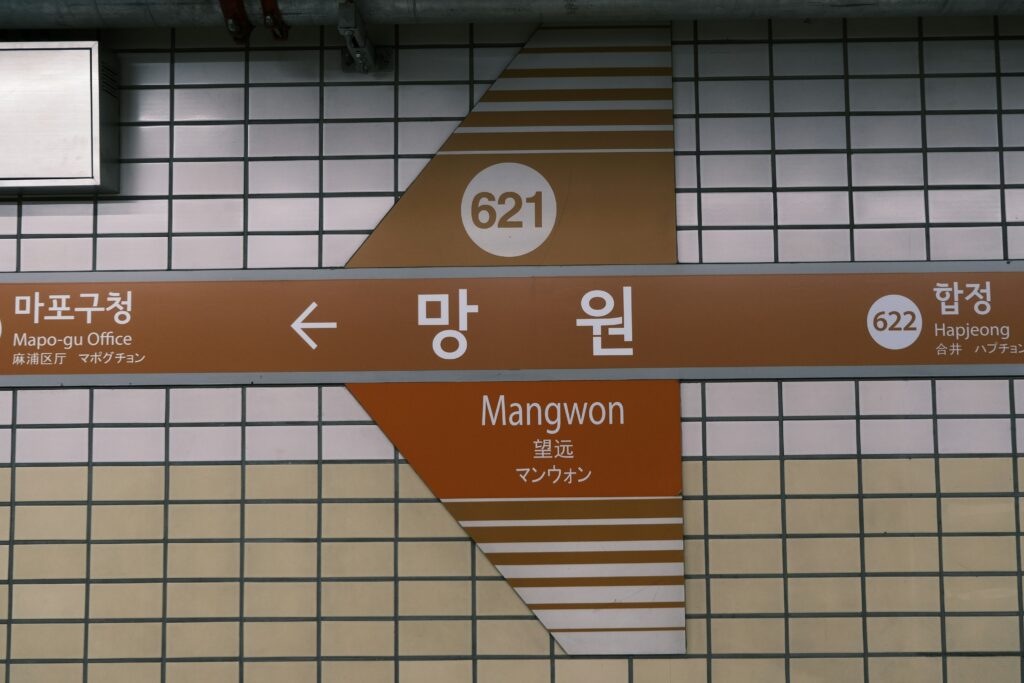
The easiest way into Mangwon is on Line 6:
- Get off at Mangwon Station (망원역).
- Use the exit signed for Mangwon Market
- Walk straight for about 5 minutes; as the street tightens and the awnings close in, you’re at Mangwon Market (망원시장).
If you’re staying near Hongdae, Mangwon is one quick hop away, close enough to feel familiar, far enough that the crowd shifts from bar crawlers to grocery bags and strollers.
By Bus or Taxi
Most map apps recognize “Mangwon Market” in English and Korean, so dropping a pin is easy. If you’re in a taxi, “망원시장 가 주세요” will do the job; expect drivers to nod. They know exactly where you’re headed.
Mangwon Market Food Guide: What to Eat First
Mangwon Market is smaller and calmer than big‑name markets like Gwangjang, and that’s exactly why people love it. You can eat well here without dodging tour groups every three seconds, and prices still feel like they’re meant for locals, not influencers on a shoot.
Use this as your first‑round hit list rather than a checklist you must finish in one sitting.
Crispy Korean Fried Chicken Stalls
If you follow the line of heat lamps and red sauce, you’ll eventually reach a stall or two selling dakgangjeong (닭강정), Korea’s sticky, sweet‑spicy fried chicken.
The Mangwon versions are usually cut into small, easy‑to‑eat pieces: perfect for sharing as you wander or taking to the river later. Look for a spot where locals are pointing to big mixed trays rather than set tourist combo boxes.
- Best for: Late afternoon snack, takeout for Han River.
- Tip: Ask for a half‑and‑half mix if you’re torn between sweet and spicy.
Tteokbokki & Fried Snacks
You’ll see big shallow pans of tteokbokki (떡볶이) bubbling away near the center lanes of the market. Here, Mangwon does what Mangwon does best: straightforward comfort food with slightly more generous portions than downtown.
Pile your tray with odeng (fish cake), twigim (deep‑fried vegetables and dumplings), and a few rice cakes. Don’t overthink it, this is one of the cheapest, fastest ways to taste “everyday Seoul”.
- Best for: Quick, filling hit of classic street food.
- Tip: If spice is an issue, ask “안 매운 거 있어요?” (Do you have something not spicy?).
Twist Donuts & Sweet Snacks
Follow the sugar and oil, and you’ll hit a stand turning out hot kkwabaegi (꽈배기), twist donuts rolled in sugar and sometimes cinnamon.
This is the item you think you’ll “just grab one of” and then five minutes later you’re back at the counter pretending “it’s for a friend”.
- Best for: Coffee companion, last snack before you leave the market.
- Tip: Eat them while still warm. They lose their magic as they cool.
Korean Toast & Sandwiches
Some stalls and tiny shops near the market entrances specialize in Korean “toast”: griddled bread stacked with egg, cabbage, ham, and a slightly sweet sauce.
It’s an excellent “first meal” if you arrive before the market is fully awake, or a cheap way to soak up all the snacks you claimed you weren’t going to have.
- Best for: Brunch‑ish late morning starts.
- Tip: If you hate sweet sauces, ask them to go light on the mayo/ketchup mix.
Seasonal Fruit & Take-Home Treats
One of the quiet perks of Mangwon Market is how many locals still come here to buy actual groceries. If you’re staying in an Airbnb, this is the place to pick up strawberries in winter, peaches and grapes in summer, or yuzu and jujubes when the weather turns.
You’ll also find vacuum‑sealed kimchi, jangajji (pickles), and dried snacks that travel surprisingly well.
Tip: If prices aren’t posted, watch what locals pay and follow their lead.
Best for: Gifts, hotel room snacks, and picnics.
Cafes & Brunch Spots in Mangwon
Deep Blue Lake Cafe
An expat “best cafes in Seoul” guide calls Deep Blue Lake a standout Mangwon coffee spot in a distinctive blue building just minutes from Mangwon Station and Mangwon Market.
Expect specialty coffee, a minimalist interior, and a crowd that mixes locals with serious cafe tourists.
Anthracite Coffee Seogyo
Another highly rated spot near Mangwon Station, Anthracite Coffee Seogyo offers a choice of beans and a slightly industrial aesthetic that coffee people love. It’s within easy distance of Mangwon, making it a natural extension for anyone doing a Mapo cafe hop.
79 Founyard
In a Korean neighborhood piece on Mangwon, 79 Founyard is singled out as a favorite local cafe, suggesting it’s more than just a photo backdrop. You can frame it as a bright, friendly space that works for both solo coffee drinkers and small groups.
Bake Shop Havet (하벳)
A recent vlog about Mangwon highlights Havet as one of the key stops, suggesting it’s part of the current cafe/brunch circuit. The name and context suggest a slightly Nordic or coastal vibe, which you can contrast with more traditional Korean bakeries nearby.
Hidden Restaurants & Bars Locals Actually Visit
Suljan Mangwon (술잔 망원)
Suljan literally means “drinking glass”, and this Mangwon branch is framed by local reviewers as a traditional‑tilted bar that feels like “our own hideout.” It’s in a basement (B1) with warm lighting and a solid line‑up of anju (drinking snacks), making it perfect for people who want to end the night away from the Hongdae crush.
Address: B1, 52-1 Poeun-ro, Mapo-gu, Seoul
Hours: Tue–Thu 18:00–01:00; Fri–Sat 17:00–02:00; Sun 17:00–24:00; closed Mon
MatYangGap (맛양값)
MatYangGap is a Mangwon “gourmet” restaurant that locals actually trek into alleys for, known for generous portions and a menu that leans hearty. It’s the kind of place where a late lunch can easily turn into early drinks, and you’ll hear more Korean than English around you.
Address: 44 Donggyoro 9-gil, Mangwon-dong, Mapo-gu, Seoul
Hours: roughly 10:30–21:30 daily
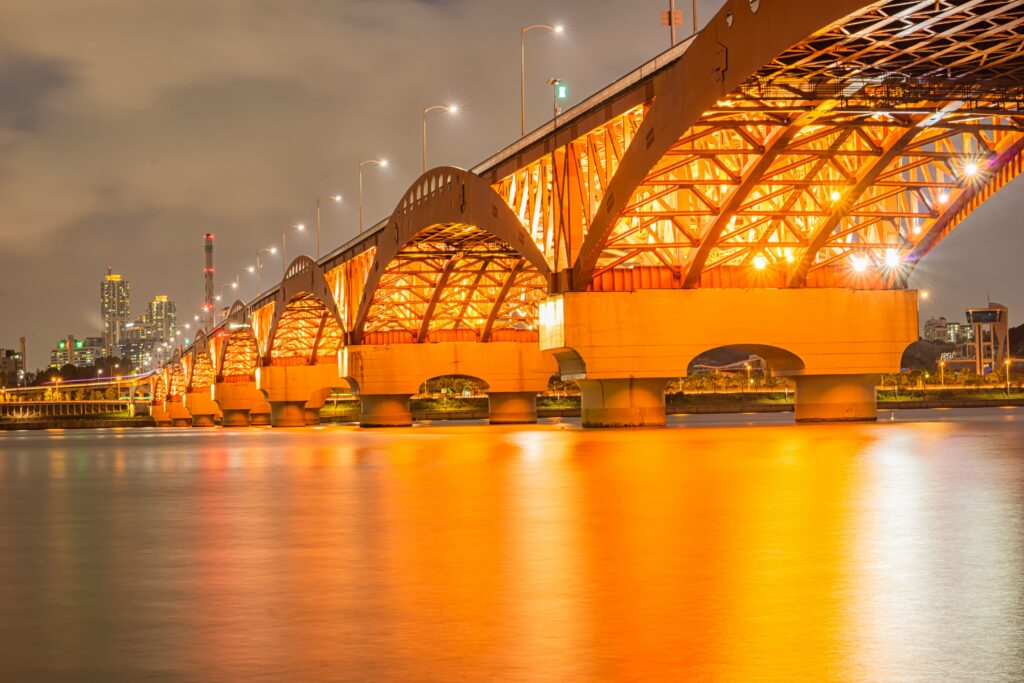
Once you’ve eaten your way through a few lanes and side streets, it’s time to walk it off. One of Mangwon’s biggest advantages is how close it sits to the Han River.
Mangwon Hangang Park
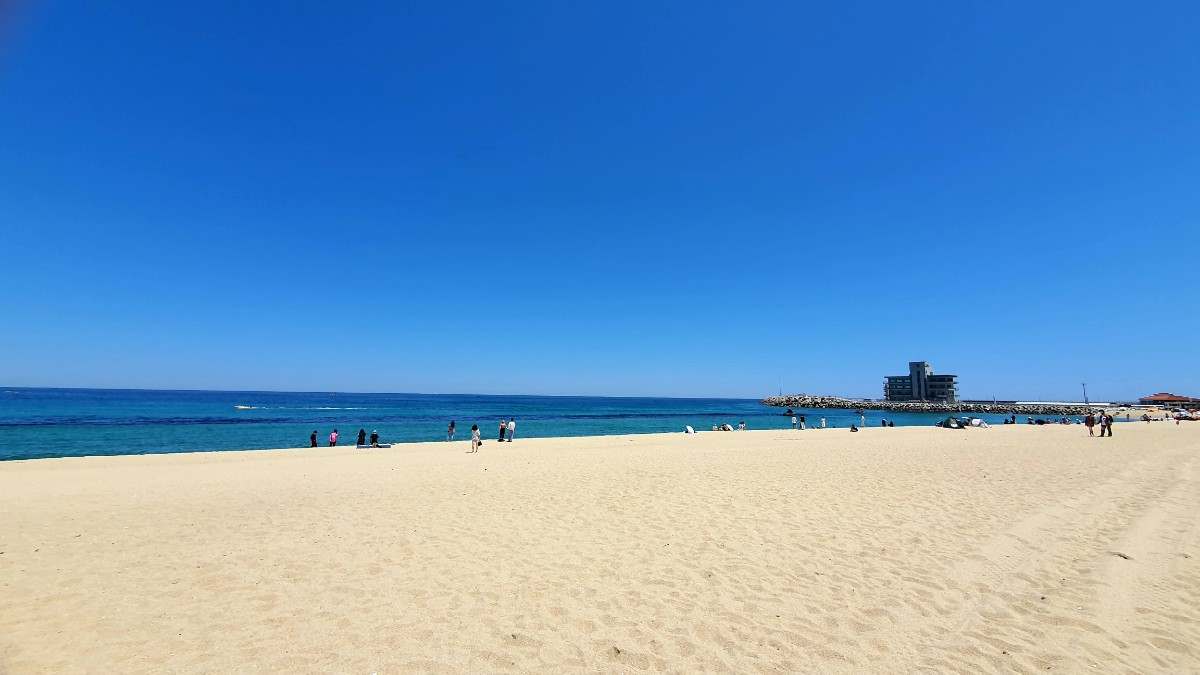
Head south and you’ll hit Mangwon Hangang Park (망원한강공원), one of the more relaxed riverside parks. It has fewer rental bikes and selfie sticks than the popular Yeouido stretch, but the same wide river views and convenience store snacks.
You can grab chicken or snacks at Mangwon Market, pick up drinks at the CU or GS25 in the park, and claim a spot on the grass without feeling like you’re crashing a photoshoot.
- Good for: Sunset, picnics, gentle post‑food regret walks.
- Tip: Bring a picnic mat or pick one up cheaply at a nearby shop.
Indie Shops & Quiet Streets
Between the station, the market, and the river, you’ll pass small indie shops, book cafes, and design studios that give Mangwon its personality. None of them shouts for attention; that’s part of the charm.
If you have time, wander one block off whatever feels like the “main road”. Mangwon rewards people who are willing to peek down the side streets.
FAQs
Is Mangwon Market worth visiting?
Yes. If you want a smaller, more local market than places like Gwangjang, with plenty of street food, plus the sense that people still do their weekly shop here.
What time does Mangwon Market open and close?
Hours vary by stall, but most vendors open by late morning and stay open into the evening. Go midday to early evening for the best mix of food and atmosphere.
Is Mangwon-dong a good area to stay in?
If you care more about local life than nightlife, yes. You’re close to Hongdae and the river, with easy subway access and enough cafes and food to keep you busy for days.
What is Mangwon known for?
Mangwon is known for its market, laid‑back cafes, indie shops, and its easy access to Mangwon Hangang Park, basically, “everyday Seoul” with enough charm to make you want to move in.
Want more content like this? Check out the Top 10 Restaurants & Cafes in Gyeongju!