
Raw beef topped with a raw egg and sweet Korean pear might sound intense, but yukhoe (육회 pronounced [yukʰø]) is one of Korea’s most beloved dishes and a must‑try for adventurous food lovers. Think of it as Korean steak tartare: chilled, delicately seasoned, and full of flavor rather than shock value.
If you’ve ever searched “what is yukhoe,” “is yukhoe safe,” or “where to eat yukhoe in Seoul,” this guide walks you through everything: what it is, how it tastes, how Koreans keep it safe, where to try it, and an easy yukhoe recipe you can make at home.
What Is Yukhoe?
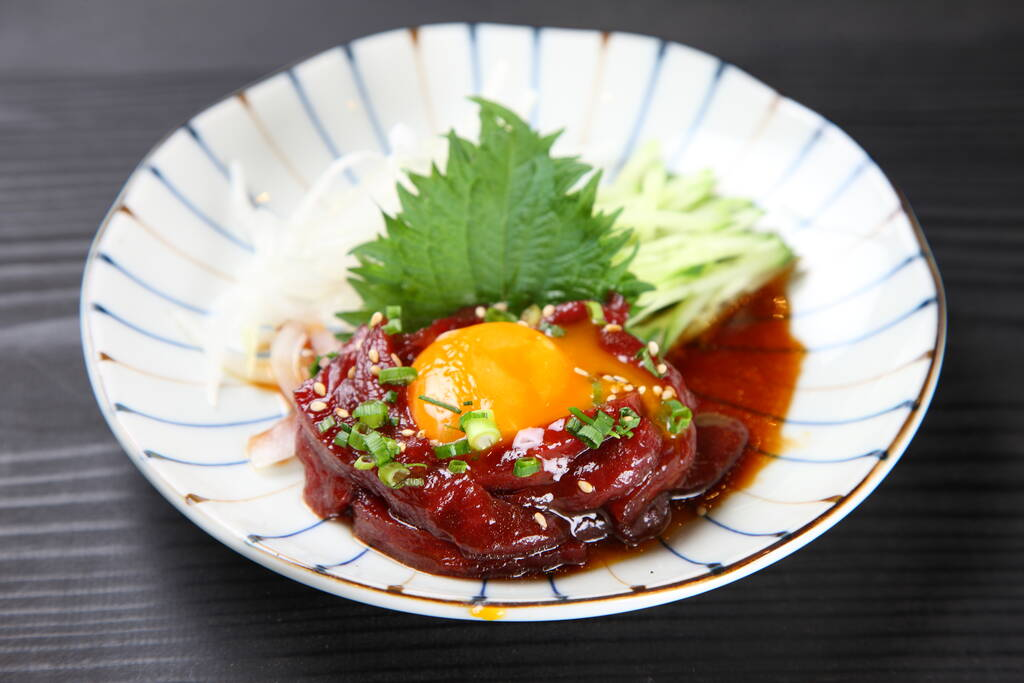
Yukhoe literally breaks down as yuk (육, “meat”) and hoe (회, “raw sliced food”), so the name simply means “raw meat.” Traditionally, yukhoe is made from very fresh, tender beef cut into thin matchstick strips rather than minced, then seasoned with soy sauce, sesame oil, garlic, sugar, and sesame seeds.
It’s usually served piled on top of or alongside crunchy matchsticks of Korean pear (배, bae), finished with a raw egg yolk and a sprinkle of toasted pine nuts. The result is cool, silky, and surprisingly light, much closer to a refined appetizer than a dare‑food.
What Does Yukhoe Taste Like?
If you’ve only had Western beef tartare, yukhoe will taste familiar yet distinctly Korean.
- The beef is tender and clean, with a subtle, almost buttery richness.
- The Korean pear adds crisp sweetness and a juicy snap in every bite.
- The seasoning: soy sauce, sesame oil, garlic, and a hint of sugar, brings a sweet‑savory and nutty flavor that coats the beef without overpowering it.
- Add a touch of gochujang (고추장, red pepper paste) and you get gentle heat that builds slowly instead of burning all at once.
Overall, yukhoe tastes sweet‑savory, nutty, cool, and slightly spicy, with the pear cutting through the richness so it never feels too heavy.
Is Yukhoe Safe to Eat?
The big question many visitors ask is, “Is yukhoe safe?” The honest answer: it can be very safe when prepared properly, but you need to be picky about where and how you eat it.
In Korea, restaurants that serve yukhoe typically use high‑quality, very fresh beef that is designated for raw preparations. The meat is carefully cleaned, trimmed, and served within a short time of being cut. Good shops will proudly display beef origin information and delivery days, and many specialize in yukhoe as their main dish.
If you’re eating yukhoe in Korea, keep these tips in mind:
- Choose places that are busy and well‑known for yukhoe, not random BBQ restaurants.
- Look for clear information about beef origin and freshness on the menu or wall.
- Eat the dish soon after it arrives at the table; don’t let it sit for a long time.
At home, only make yukhoe if you can buy very fresh beef from a trusted butcher and you’re comfortable handling raw meat safely. When in doubt, enjoy yukhoe at a reputable restaurant in Seoul and let the experts handle it.
Yukhoe vs. Steak Tartare
Yukhoe is often described as “Korean steak tartare,” but the two are quite different in personality.
Texture
- Steak tartare is usually finely chopped or minced.
- Yukhoe uses thin matchstick strips, so you get a more noticeable bite and chew.
Seasoning
- Steak tartare leans on ingredients like mustard, capers, onions, and sometimes Worcestershire sauce, making it sharper and more acidic.
- Yukhoe focuses on soy sauce, sesame oil, garlic, sugar, and sesame seeds, giving it a sweeter, nutty, and almost glossy flavor profile.
Garnishes
- Tartare may come with toast or fries.
- Yukhoe arrives with Korean pear, sometimes lettuce, and often a raw egg yolk and pine nuts.
If you love steak tartare, yukhoe feels like its Korean cousin, more sweet‑savory and aromatic, with the surprise of fruit and a little optional gochujang heat.
How to Eat Yukhoe (Dining Etiquette 101)
If a platter of raw beef appears at your table in Korea and you’re not sure what to do, follow these simple steps.
- Mix gently
- If there’s a raw egg yolk on top, lightly break it and toss everything together: beef, pear, seasoning, and egg.
- Use lettuce or perilla leaves
- Many places serve crisp lettuce or perilla. Wrap a little yukhoe and pear inside for a fresh, juicy bite.
- Pair it with soju or makgeolli
- Yukhoe is a classic anju (안주, drinking snack). A cold glass of soju cuts through the richness perfectly.
- Eat small portions
- Take small bites and enjoy the texture. You don’t need to rush, this dish is meant to be savored.
I once tried a variant of yukhoe at a small restaurant near Gyeongdong Market in Seoul, where they added 1‑centimeter cubes of raw liver into the mix. It took a generous amount of soju to wash down that extra minerality but it showed how far Koreans are willing to go in celebrating texture and freshness.
Where to Eat Yukhoe in Seoul
If you search “yukhoe near me” while in Seoul, you’ll see famous names pop up, but here are a few styles of spots to look for when planning your food itinerary:
- Traditional markets
Gwangjang Market is legendary for yukhoe stalls, often tucked away in a narrow alley lined with raw beef signs. This is one of the most atmospheric and affordable places to try yukhoe in Seoul. - Specialty yukhoe restaurants
Places with “육회” (yukhoe) in their name, including well‑known spots like Buchon Yukhoe near traditional markets, specialize in raw beef and often serve yukhoe bibimbap, yukhoe with live octopus, and other variations. - Modern Korean dining & gastro‑pubs
Trendier restaurants and bars may serve a fusion version with wagyu, truffle oil, or different plating, making it an easy entry point for first‑timers.
You can Check out article that list The 7 Best Bibimbap in Seoul to find where to eat Yukhoe !
Tip: Time your visit for the evening, when the atmosphere is livelier and a bottle of soju or makgeolli feels almost mandatory. Link this section internally to your existing 10 Magazine guides on Gwangjang Market, Jongno food streets, or “where to eat in Seoul” lists.
Yukhoe Bibimbap and Other Variations
Once you fall for classic yukhoe, there are a few variations worth hunting down:
- Yukhoe Bibimbap (육회비빔밥)
A generous scoop of seasoned raw beef is placed on top of warm rice and mixed vegetables, often with a raw egg yolk. Think of it as bibimbap upgraded with sweet‑savory yukhoe instead of cooked beef. - Salmon Yukhoe & seafood versions
Some restaurants offer salmon yukhoe or tuna yukhoe, seasoned in a similar way but using sashimi‑grade fish instead of beef. - Wagyu Yukhoe
At higher‑end spots, marbled wagyu is used for an ultra‑rich, melt‑in‑your‑mouth version of the dish.
These variations are perfect search targets if you’re planning your next food crawl,
look out for “yukhoe bibimbap Seoul,” “salmon yukhoe,” or “wagyu yukhoe” on Korean and English menus.
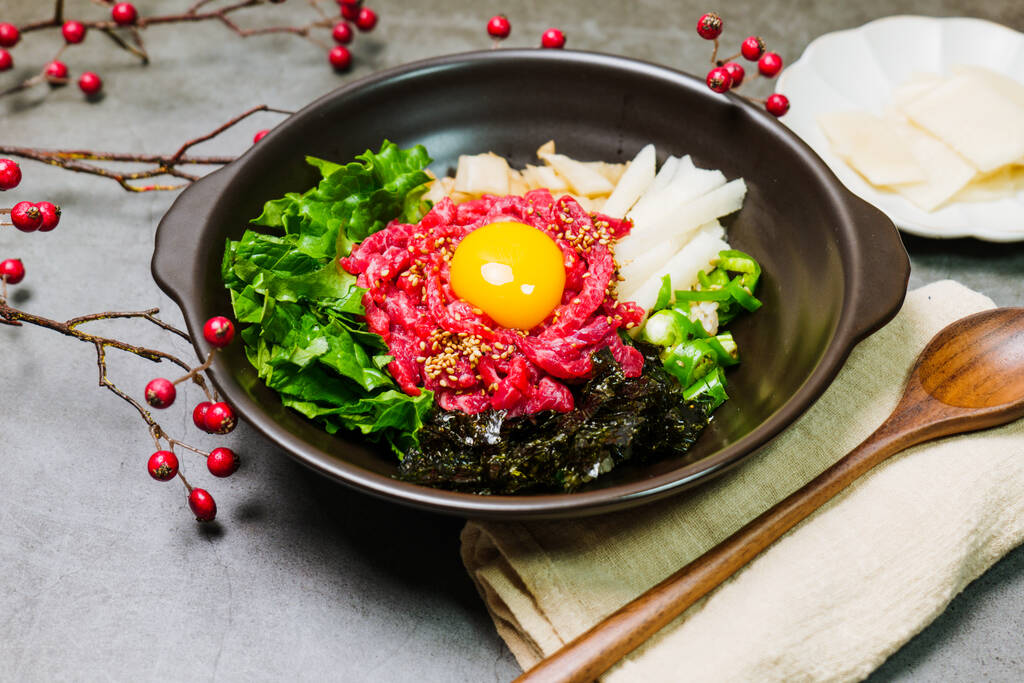
Yukhoe Recipe: Easy Korean Steak Tartare at Home
If you’ve tried yukhoe in Korea and want to recreate it at home, this simple recipe focuses on balance: sweetness from pear, nuttiness from sesame, and just enough gochujang heat.
Ingredients (Serves 2 as an appetizer)
Beef & toppings
- 150 g fresh beef (tenderloin, rump, or sirloin), trimmed of fat
- 1 quail egg yolk (or 1 chicken egg yolk, divided between portions)
- 1 tsp toasted pine nuts
- Crisp lettuce hearts or perilla leaves, for serving
- 1 Korean pear (배, bae), peeled and cut into 3 cm matchsticks
Seasoning sauce
- 3 tbsp soy sauce
- 1 tbsp sugar or honey
- 2 tbsp toasted sesame oil
- 1 clove garlic, finely minced
- 1 tbsp green onion, finely diced
- 1/2 tsp toasted sesame seeds
- 1 tsp gochujang (add more if you like it spicy)
Directions
- Prep the beef
- Keep the beef very cold. You can place it in the freezer for about 30–60 minutes to firm up slightly, which makes it easier to slice cleanly.
- Cut the beef into thin strips about 3 cm long, roughly the size of matchsticks.
- Make the seasoning sauce
- In a bowl, combine the soy sauce, sugar, sesame oil, garlic, green onion, sesame seeds, and gochujang.
- Taste and adjust: add a touch more sugar for sweetness or gochujang for extra heat.
- Combine beef and sauce
- Toss the beef strips gently in the seasoning sauce until evenly coated. Try not to handle the beef too much so it stays cold and tender.
- Prepare the pear and plate
- Arrange crisp lettuce hearts or perilla leaves on a chilled serving plate.
- Place the Korean pear matchsticks on top of the greens in a loose nest.
- Assemble the yukhoe
- Pile the seasoned beef mixture on top of the pear.
- Gently place the quail egg yolk in the center.
- Sprinkle toasted pine nuts over everything.
- Serve
- Bring to the table immediately while the beef is still cold.
- Mix the egg yolk into the beef and pear just before eating, then scoop portions into lettuce or perilla leaves.
- For a true Korean experience, serve with a chilled bottle of soju or your favorite Korean beer.
If you’re pairing your homemade yukhoe with soju, don’t forget to explore creative soju cocktail ideas, perfect for friends who love the flavor of soju but prefer something lighter and fruitier. Link internally to your existing 10 Magazine article on easy summer soju cocktails.
Final Tips Before You Try Yukhoe
- Start at a reputable restaurant in Seoul before making it at home.
- Order a small portion first if you’re nervous about raw beef.
- Pay attention to how the pear, seasoning, and texture come together, that’s the balance you want to recreate in your own kitchen.
Once you’ve tried yukhoe, it often becomes one of those dishes you crave whenever you think of Korea: cool, flavorful, and a little bit daring.
If you take our suggestion on eating your home-made Yukhoe together with Soju, check out our article on making your own Soju Cocktail.