Seoul Foreign School – Seoul, South Korea
‘International in Every way’
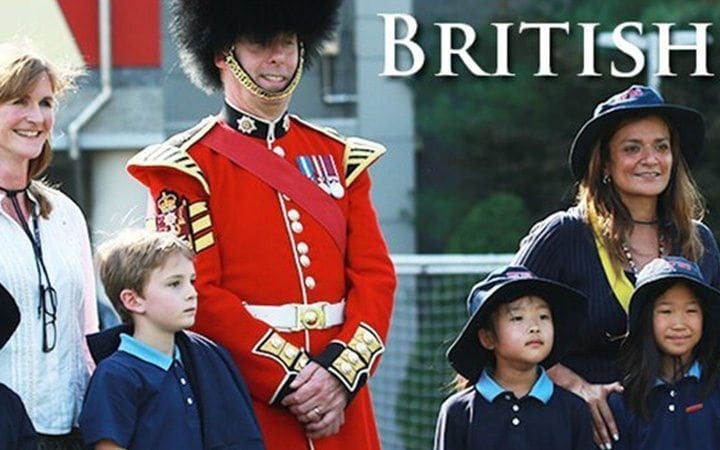
Founded in 1912, Seoul Foreign School is the longest-established international school in Seoul and one of the first ten in the world (the seventh oldest, by the school’s count, and the oldest British international school in Korea). It teaches children from Pre-K to Grade 12, so a child can start at three or four and stay through to graduation without changing school; it is not-for-profit; and it is a Christian school that admits families of any faith or none. Everyone shortens the name to SFS.
Today it has more than 1,400 students from over 50 countries, which is the practical meaning of its motto: a classroom here is a mix of backgrounds and passports, and the school builds its teaching around that rather than around one national system.
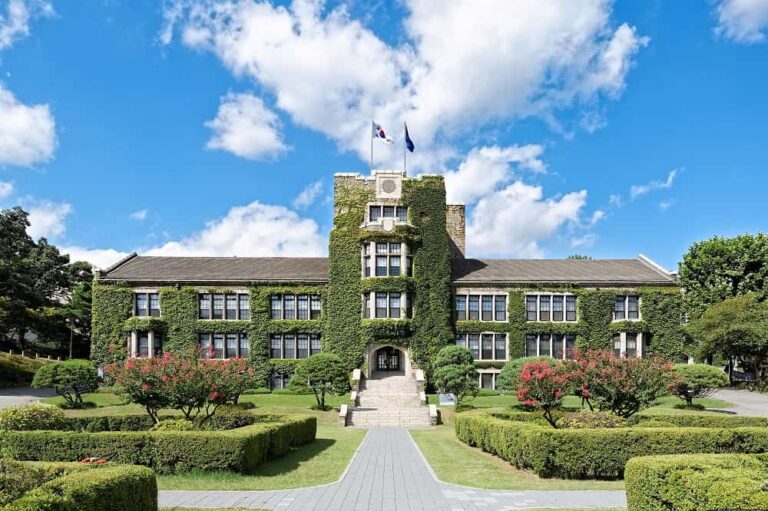
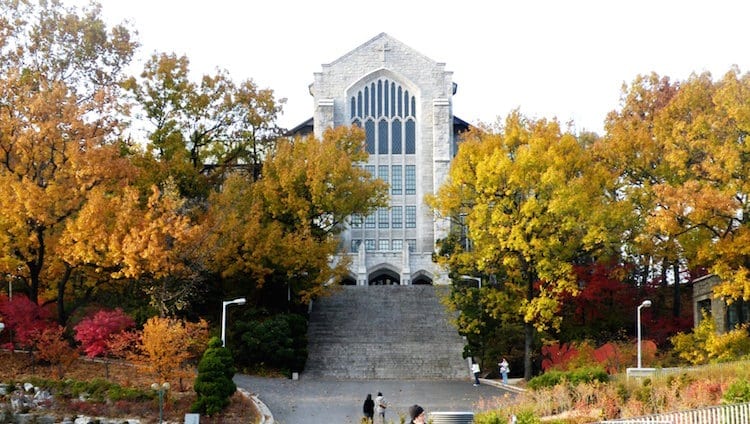
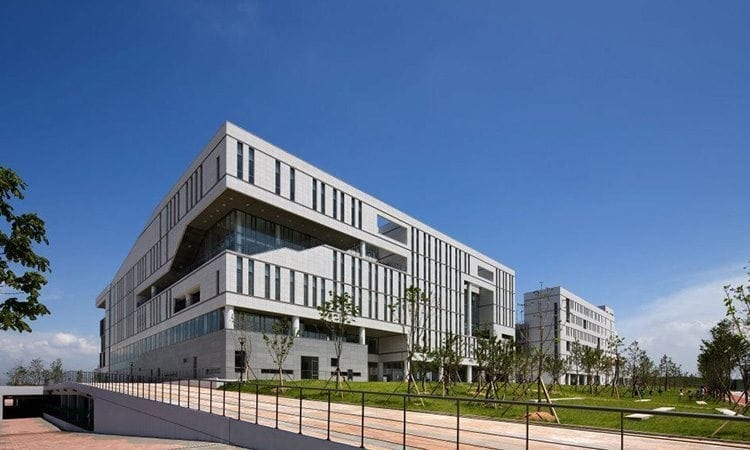
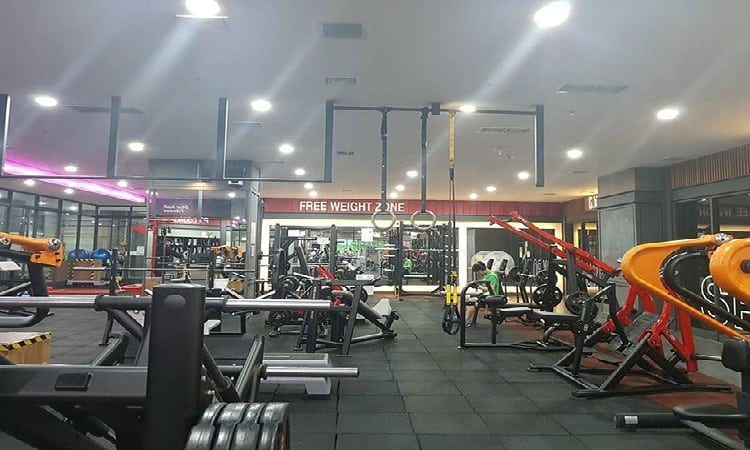
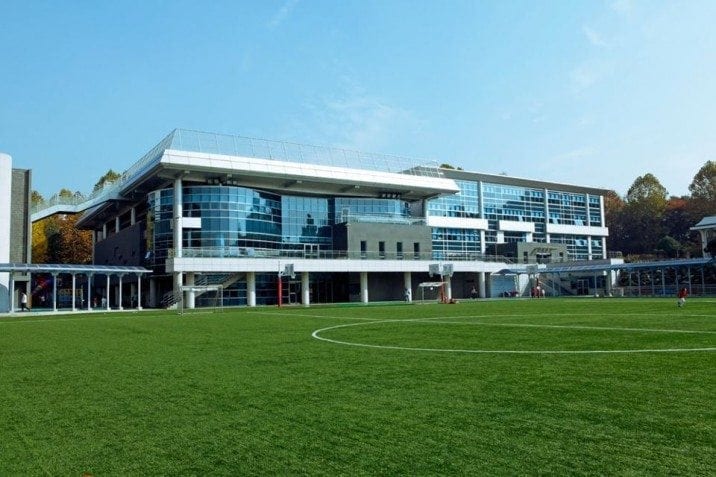
Its four schools, Elementary, Middle, High and British, share one hilltop campus of 26 acres in Yeonhui-dong, Seodaemun-gu, about 20 minutes’ walk from Sinchon Station on the Gyeongui-Jungang Line and a short drive from the residential areas foreigners tend to live in. Competitive sports, arts, sciences and other activities run inside the school day and after it.
Admission
Admission is handled separately for each of the four schools, so a family with children of different ages applies to more than one of them. The admissions pages set out the policies and the forms; the office answers on 02-330-3100 and at sfsoffice@seoulforeign.org.
Tuition & Fees
International schools charge more than private, national or public schools, and SFS publishes its fee schedule in full, so you can do the sums before you apply.
Teachers
The curriculum runs the IB Primary Years and Middle Years Programmes alongside the English National Curriculum, with IGCSEs in the British school, and both tracks lead into the IB Diploma Programme in the final years, the route most of its graduates take to university abroad.
Jobs & Employment
The school recruits teachers internationally; open positions are on its employment page.
Alumni
Alumni networks count for a lot in Korea, and the school keeps one: see its alumni pages.