
Forget everything you thought you knew about medical tourism in Korea. In 2025, South Korea crossed a milestone that no one predicted so soon: 2 million foreign patients in a single year. That’s not a typo. According to South Korea’s Ministry of Health and Welfare, exactly 2,011,822 international visitors received medical treatment in Korea in 2025, a 72% jump from 2024, and nearly 17 times the 120,000 recorded in 2020 at the height of COVID-19.
What once started as a niche market for K-beauty procedures has evolved into one of the world’s most comprehensive, tech-forward, and accessible medical tourism destinations. Whether you’re considering a skincare glow-up, cosmetic surgery, a full-body health checkup, or cutting-edge cancer treatment, Korea delivers world-class results at a fraction of Western prices.
Why Everyone Is Flying to Korea for Medical Care in 2026
South Korea’s rise as the world’s top medical tourism destination isn’t an accident. It’s the result of decades of investment in medical infrastructure, the global spread of Korean pop culture, and a healthcare system known for precision, speed, and affordability.
Here’s what’s driving the boom right now:
- Cost savings of 50–80% compared to the United States or Australia, even after flights and accommodation
- Advanced technology: AI-powered diagnostics, robotic surgery, smart hospitals, all now standard at major Seoul clinics
- K-culture effect: The global popularity of K-pop, K-dramas, and K-beauty has made Korean aesthetics aspirational worldwide
- Speed and access: Procedures that take months to book in the West can often be scheduled within days in Seoul
- The “Karecation” trend: A new wave of travelers blending self-care and vacation, coming to Korea not just for sightseeing, but for dermatology appointments, vision correction, and wellness treatments
The numbers back it all up: foreign patients and their travel companions spent a combined ₩12.5 trillion (approximately $8.4–9 billion USD) inside Korea in 2025 alone, according to analysis by the Korea Institute for Industrial Economics and Trade.
Korea Medical Tourism by the Numbers (2025–2026)
| Metric | Figure |
|---|---|
| Foreign patients in 2025 | 2.01 million |
| Year-over-year growth | +72% |
| Total medical tourism spend | ₩12.5 trillion (~$8.4B USD) |
| Countries represented | 201 |
| Share treated in Seoul | 87.2% |
| Dermatology share of visits | 62.9% |
| Cosmetic surgery share | 11.2% |
| Average length of stay | 7.2 days |
| Average spend per visitor | ~₩7.75 million (~$5,600 USD) |
Top Treatments for Medical Tourists in Korea
1. Dermatology & Skin Care — The #1 Reason People Come
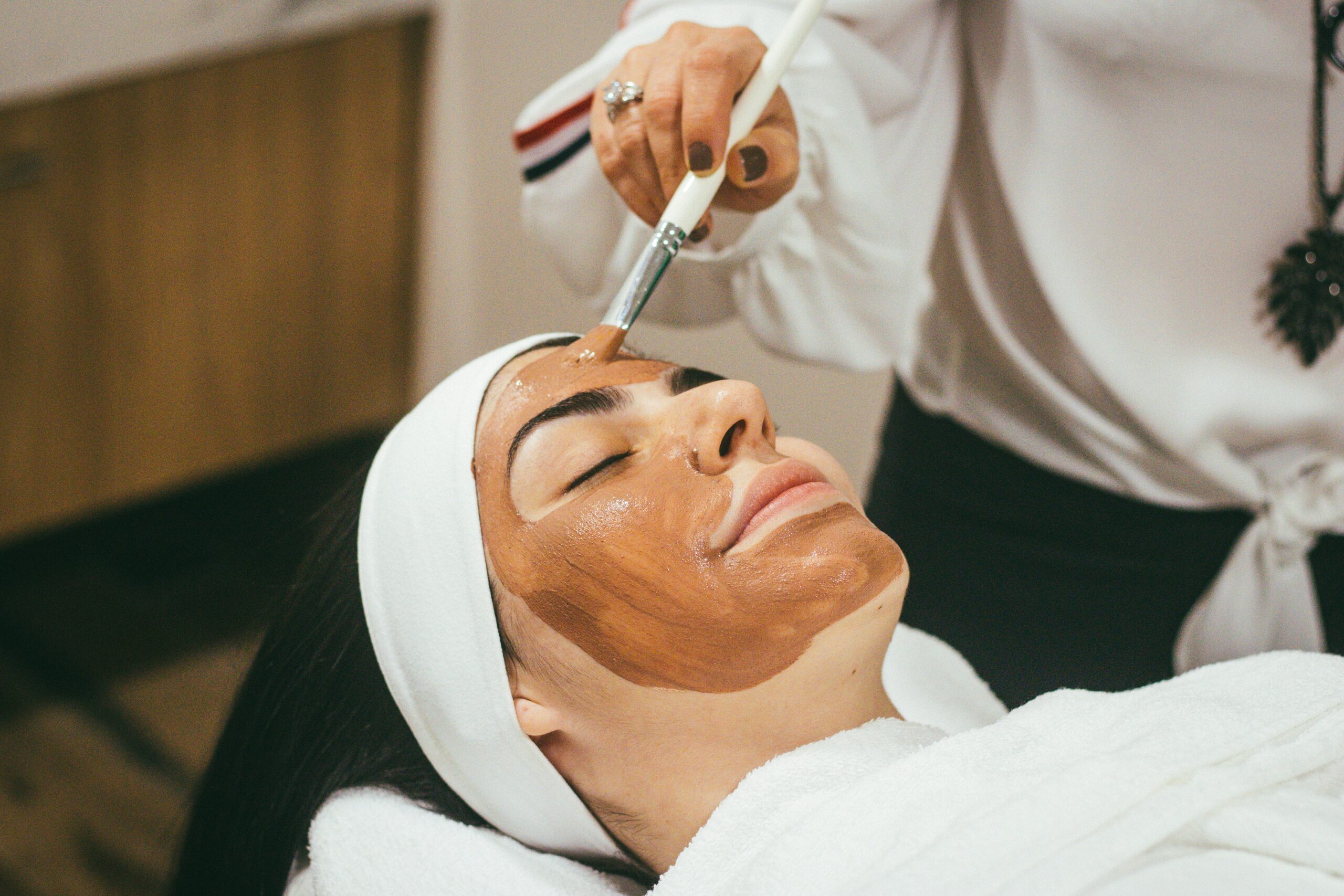
Dermatology is the undisputed engine of Korean medical tourism. In 2025, 62.9% of all foreign patients visited Korea for dermatological treatments, from laser resurfacing and pigmentation correction to the famous “Korean Glass Skin” procedures that have taken social media by storm.
Korean dermatology clinics are globally recognized for their non-invasive, high-frequency skin treatments using the latest technology, including HIFU, fractional lasers, and advanced chemical peels. Spending on dermatology alone accounted for 57.35% of total medical tourism expenditure in 2025.
With dermatology driving nearly two-thirds of all medical tourism visits, not every clinic in Gangnam delivers the same experience. A handful of standout practices have built reputations specifically around what international patients care about most: minimizing pain, maximizing results, and making the process feel effortless from consultation to aftercare.
- Dion Clinic Seolleung has carved out a niche as the go-to for first-timers and needle-shy patients, using proprietary numbing techniques to make signature treatments like Rejuran and Ultherapy virtually painless, backed by 1:1 doctor care and round-the-clock English support. Above all, as the only Korean doctor specializing in the Fitzpatrick skin type classification, Dr. Hwang Hyun-ho is able to provide more reliable medical skincare solutions for international patients.
- Jcell Dermatology Clinic is a premium dermatology practice run by a husband-and-wife team of board-certified dermatologists, offering services until Sunday. By combining 16 years of clinical expertise with advanced stem cell technology, the clinic has established a reputation for reliability and a distinctive approach to care. We provide comprehensive anti-aging solutions, ranging from skin analysis-based multi-layer lifting to body contouring, all under one roof.
- Louave Dermatology Clinic in Cheongdam is the destination for patients chasing serious lifting results, staffed by board-certified dermatologists ranked in Korea’s top 1.5%, and equipped with nearly every major lifting device on the market, from Thermage to Ultherapy to Onda. In addition, consultations for all skin conditions are available, enabling in-depth dermatological solutions provided by board-certified dermatologists.
Together, these three clinics illustrate why Korea’s dermatology scene keeps pulling in record numbers of foreign patients: it’s not just about the technology, it’s about tailoring the entire experience to make world-class skincare feel accessible, comfortable, and worth the trip.
👉 Looking for more English-speaking dermatologists in Seoul? Check out our guide to the 13 Best English-Speaking Dermatologists in South Korea.
2. Plastic Surgery — World-Renowned Expertise
South Korea is the global capital of cosmetic surgery, and for good reason. Korean plastic surgeons have decades of specialized experience in facial contouring, rhinoplasty, double eyelid surgery, facelifts, and body procedures. In 2025, 11.2% of foreign patients underwent plastic surgery procedures.
The cost savings are dramatic. A rhinoplasty in Korea typically costs $3,000–$6,000, versus $8,000–$15,000 in the United States. Double eyelid surgery ranges from $800–$2,500 in Korea, compared to $3,000–$6,000 in the US.
👉 Ready to explore your options? See our curated list of the 10 Best English-Speaking Plastic Surgery Clinics in Seoul.
3. Health Check-Ups & Preventive Care
One of the fastest-growing segments in 2026 is comprehensive health screening. Korea’s major hospitals offer internationally accredited full-body health check-up packages, including cancer screenings, cardiac assessments, and blood panels, that can be completed in a single day, at a fraction of the cost of equivalent programs in North America or Europe.
4. Ophthalmology — LASIK & Vision Correction
Vision correction procedures, including LASIK and LASEK, have become a signature reason for visiting Korea. These accounted for approximately 32% of transactions in the beauty and medical category. Korean clinics use the latest femtosecond laser technology, with prices significantly lower than in Western countries.
5. Traditional Korean Medicine (Hanbang)
An emerging and increasingly popular option, traditional Korean medicine, including acupuncture, herbal medicine, Chuna manual therapy, and IV wellness drips, attracted record foreign spending of ₩26 billion in 2025. Oriental medicine clinics reportedly grew approximately 89 times in transaction volume in the second half of 2025 alone.
6. Oncology, Cardiology & Advanced Specialties
Beyond aesthetics, Korea’s world-ranked hospitals, including Seoul National University Hospital, Samsung Medical Center, and Severance Hospital, offer highly specialized treatments for cancer, cardiac conditions, orthopedics, and neurosurgery. Korea’s oncology and cardiac success rates are consistently among the best in the OECD.
Who Is Traveling to Korea for Medical Tourism?
In 2025, patients arrived from 201 countries, reflecting a truly global patient base. The top nationalities were:
| Country | Share of Patients | Notes |
|---|---|---|
| China | 30.8% | +137.5%; top country for first time |
| Japan | 29.8% | Strong K-beauty and cosmetic surgery demand |
| Taiwan | 9.2% | +122.5%; strong focus on dermatology and vision |
| USA | 8.6% | +70.4%; growing fast |
| Thailand | 2.9% | Consistent growth |
American and Canadian patient numbers are growing particularly fast, up 70.4% and 59.1% respectively in 2025, driven by both cultural influence and the dramatic cost differential between Korean and North American healthcare.
Where to Go: Seoul Is the Center of It All
87.2% of all foreign medical tourists were treated in Seoul, which is home to 62.5% of all medically registered institutions in Korea. The city is rapidly expanding its medical tourism infrastructure, including a plan to grow the number of medical tourism interpreter-coordinators to 1,000 by the end of 2026 to meet rising demand.
Key medical hubs within Seoul include:
- Gangnam-gu: The cosmetic surgery and dermatology capital, home to hundreds of internationally recognized clinics
- Sinchon/Mapo: Major hospital district anchored by Severance Hospital (Yonsei University)
- Songpa-gu: Home to Asan Medical Center, one of Asia’s largest hospitals
- Jongno: Government-supported Seoul Medical Tourism Center
Outside Seoul, Busan (3.8%), Jeju (2.3%), and Incheon (1.3%) are emerging as secondary medical tourism hubs with government-backed infrastructure development underway.
Your Practical Guide: Getting There and Getting Treated
Visa Options for Medical Tourists
Korea offers dedicated visa pathways for international patients:
| Visa Type | Duration | Best For |
|---|---|---|
| K-ETA / C-3 Tourist Visa | Up to 90 days | Most cosmetic, dermatology, dental, and check-up visits |
| Medical Tourist Visa (C-3-3) | Up to 90 days | Patients formally invited by a Korean medical institution |
| Treatment & Recuperation Visa (G-1-10) | Up to 1 year | Long-term inpatient care, serious illness, rehabilitation |
For most dermatology and cosmetic procedures, visitors eligible for visa-free entry or a standard tourist visa (C-3) won’t need a special medical visa. Always confirm with your clinic, as they can issue a formal invitation letter if a medical visa is required.
What to Expect at a Seoul Clinic
- Most Gangnam clinics catering to international patients offer English-speaking staff or professional interpreters
- Consultations can often be booked online in advance, sometimes via apps or social media
- Many clinics include airport pickup, accommodation coordination, and follow-up support in their international patient packages
- Telemedicine for medical tourists will be legally available starting in 2027, following the passage of a revised law in May 2026
AI and Smart Hospitals in 2026
South Korea is not just competing on price; it’s leading the world in medical technology innovation. The country’s 2026 flagship conference, Medical Korea 2026, held at COEX in Seoul under the theme “AI-Powered Global Healthcare: Bringing the Future and the World Closer,” highlighted how Korean hospitals are rolling out AI-driven diagnostics, robotic-assisted surgeries, machine learning-powered smart hospital infrastructure, and telemedicine expansion.
Hosted by the Ministry of Health and Welfare and organized by the Korea Health Industry Development Institute (KHIDI), the conference brought together 40+ international speakers and global healthcare leaders. For medical tourists, this translates into faster diagnoses, more precise surgical outcomes, and personalized treatment plans.
Government Support: Why Korea Keeps Getting Better for Tourists
The South Korean government has made medical tourism a national strategic industry, actively investing in making it easier, safer, and more accessible for international patients:
- Regulatory framework: The Medical Services Act allows hospitals to attract foreign patients through registered agencies, which must maintain a minimum capital of ₩100 million KRW, hold physical offices in Korea, and carry liability insurance.
- Budget growth: Budget allocations for medical tourism promotion increased 18% year-on-year for the 2025–2026 fiscal cycle.
- Telemedicine expansion: New legislation promulgated in May 2026 will allow registered medical tourism institutions to provide remote consultations, diagnoses, and prescriptions to international patients starting in 2027.
- 72-hour transit programs: The government is expanding programs allowing short-stay medical tourists to combine treatment with cultural tourism in Korea without a full visa.
The “Karecation” Phenomenon: More Than Just Treatment
In 2025 and 2026, a new travel identity emerged: the “Karecation”, a fusion of Korea, care, and vacation. Rather than visiting Korea solely for a procedure, travelers are now building multi-day wellness itineraries that blend:
- Morning dermatology or skincare clinic appointment
- Afternoon at a jjimjilbang (Korean sauna/bathhouse)
- Traditional Korean medicine clinic visits for acupuncture or herbal IV drips
- Health food experiences (eel restaurants surged 33x in reservations; galbi up 14x)
- K-beauty shopping at pharmacies and skincare stores
According to Creatrip’s 2025 inbound tourism data, beauty and medical categories accounted for 51% of all transactions, and the category grew 71% year-over-year. In 2026, K-healthcare products, including oriental medicine treatments and health examination packages, are expected to be a primary driver of inbound tourism.
Cost Comparison: Korea vs. the World
| Procedure | Korea (USD) | USA (USD) | UK (GBP) | Australia (AUD) |
|---|---|---|---|---|
| Rhinoplasty | $3,000–$6,000 | $8,000–$15,000 | £7,000–£12,000 | $8,000–$18,000 |
| Double Eyelid Surgery | $800–$2,500 | $3,000–$6,000 | £2,500–£5,000 | $3,500–$7,000 |
| Facelift | $5,000–$15,000 | $12,000–$25,000 | £10,000–£20,000 | $15,000–$30,000 |
| Breast Augmentation | $4,000–$8,000 | $8,000–$16,000 | £6,000–£12,000 | $10,000–$18,000 |
Even after accounting for flights and accommodation, most international patients still save 40–70% compared to getting the same procedures at home.
What to Watch Out For
Korea’s medical tourism boom comes with a few cautions worth knowing:
- Unregistered brokers: Some unlicensed agencies inflate fees or misrepresent clinics. Always verify that any agency is officially registered with the Korea Health Industry Development Institute (KHIDI).
- Language barriers: While Gangnam clinics catering to international patients are generally English-friendly, smaller clinics may not always confirm in advance or use a licensed interpreter.
- Recovery time: Many procedures (especially surgery) require 7–14 days before it’s comfortable to fly. Plan your stay accordingly. Seoul is an excellent city to recover in.
- Aftercare from home: With telemedicine rules currently in transition, post-procedure follow-up from your home country may still be limited until 2027.
The Outlook: Where Korea’s Medical Tourism Is Headed
South Korea’s medical tourism market is projected to grow from $1.5 billion in 2026 to $3.9 billion by 2036, according to Future Market Insights. With 2025 already smashing records at $8.4 billion in total spending (including travel and accommodation), the trajectory is unmistakably upward.
The Korean government is targeting continued expansion through overseas marketing programs, increased hospital-level international accreditation, and the 2027 rollout of legal telemedicine for foreign patients. The country has now recorded three consecutive years of record-breaking foreign patient numbers, and with 2026 already tracking ahead of pace, a fourth consecutive record looks very likely.