
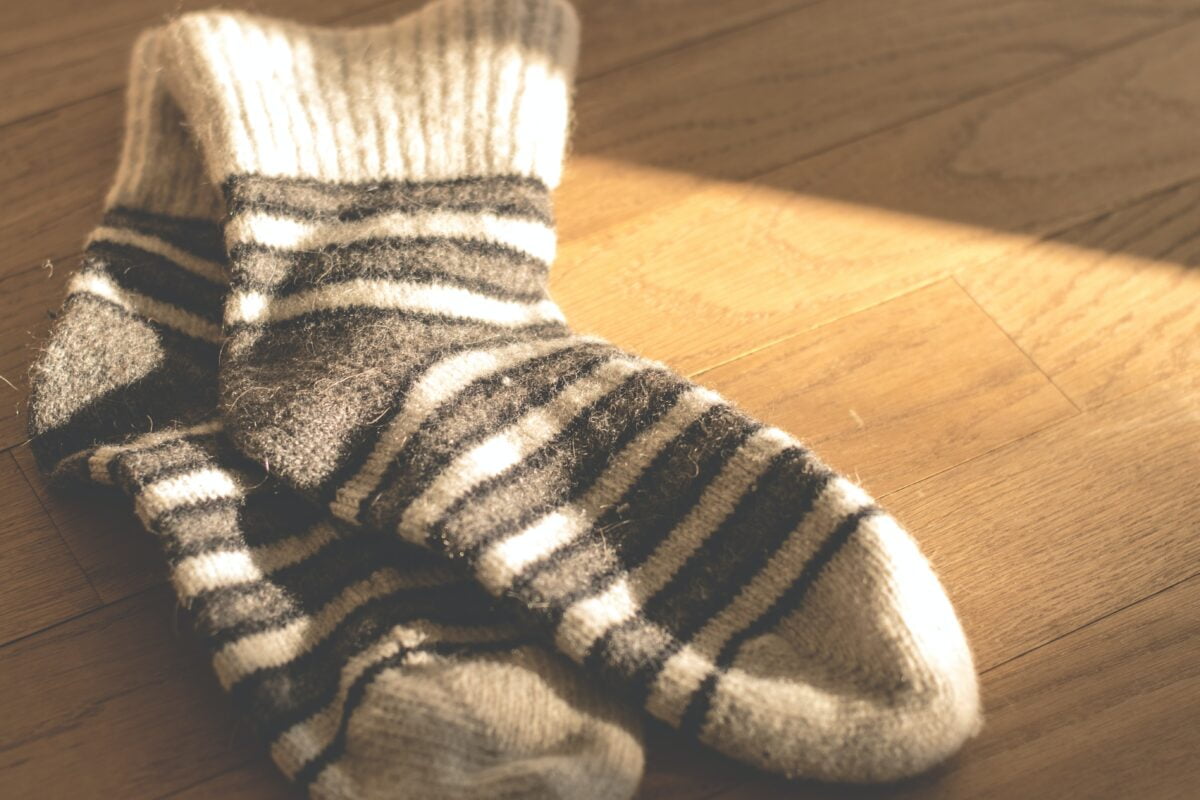


The hot summer weather has finally started to subside, and with the onset of the fall season, for some of us there is an increased potential for little (or big) colds and flus. Every culture has its own home remedies to address this, and in Korea it is easy to go to your local traditional Korean doctor, or 한의사, to get acupuncture and herbal medicine. For those who prefer a more home-remedy approach, here is a simple and effective trick from Naturopathic Medicine that can be done at home with minimal materials: a regular pair of cotton socks and a thicker pair of wool socks.
Some people find the routine relaxing or comforting, especially when paired with rest and warm fluids. However, there is no good clinical evidence that wearing wet socks prevents, cures, or shortens a cold. Colds are caused by viruses, not by cold feet, and wet socks should be viewed as a comfort ritual rather than medical treatment.
What Is the Wet Sock Treatment?
The wet sock treatment is a home practice often used at the onset of mild cold-like symptoms, such as feeling chilled, tired, or congested.
The method typically uses:
- One pair of thin cotton socks
- One pair of thick, dry wool socks
- Warm water for a foot soak
- Cold water to dampen the cotton socks
Supporters of the practice say it may help them feel warmer, sleep more comfortably, or ease a feeling of congestion. These effects are largely anecdotal, and the treatment should not replace evidence-based care for respiratory illness.
How to Try It Safely
If you are generally healthy and simply want to try this as a bedtime comfort routine, follow these steps:
- Soak your feet in comfortably warm water for around 5 to 10 minutes. Avoid water hot enough to burn or irritate your skin.
- Wet a clean pair of thin cotton socks with cold water, then wring them out well. They should be damp, not dripping.
- Put on the damp cotton socks.
- Immediately cover them with a thicker, dry pair of wool socks.
- Go to bed and remove the socks in the morning if they are still damp or uncomfortable.
- Stop if you feel excessively cold, numb, itchy, irritated, or uncomfortable.
Some people report that the inner socks feel dry by morning. That can happen because body heat and the outer sock layer warm the damp fabric over time; it does not indicate that the method has treated an infection.
What Actually Helps With a Cold
Most colds improve on their own. The most reliable ways to support recovery focus on symptom relief, hydration, rest, and reducing spread to others.
- Get adequate rest and avoid overexertion.
- Drink water, warm tea, broth, or other fluids that help you stay hydrated.
- Use saline nasal spray or drops for nasal dryness or congestion.
- Consider a clean humidifier or cool-mist vaporizer if dry indoor air is making congestion worse.
- Use throat lozenges or cough drops for throat discomfort; do not give them to children under age 4.
- Honey may help relieve cough in adults and children aged 1 year and older. Do not give honey to babies under 1 year.
- Follow label directions for appropriate over-the-counter pain or fever medicines, and speak with a pharmacist or clinician if you are unsure what is safe for you.
Handwashing, avoiding touching your eyes, nose, and mouth with unwashed hands, improving ventilation, and staying home when ill are more evidence-based ways to reduce the risk of catching or spreading respiratory viruses.
When to Seek Medical Care
Do not rely on home remedies alone if symptoms are severe or worsening. Seek medical advice promptly if you have trouble breathing, chest pain, confusion, severe dehydration, persistent high fever, symptoms that improve and then worsen, or a fever lasting more than four days. People at higher risk of severe illness—including older adults, pregnant people, infants, and people with certain chronic health conditions or weakened immune systems—should contact a healthcare professional early.
Bottom Line
The wet sock treatment can be a harmless comfort practice for some healthy adults when done carefully, but it is not a proven remedy for preventing or curing colds or flu. Pair any cozy at-home routine with the measures that matter most: rest, fluids, symptom-focused care, hygiene, and timely medical attention when symptoms are concerning.
Enjoyed this article? You might want to read 4 Ways to Survive Monsoon Season in Korea